
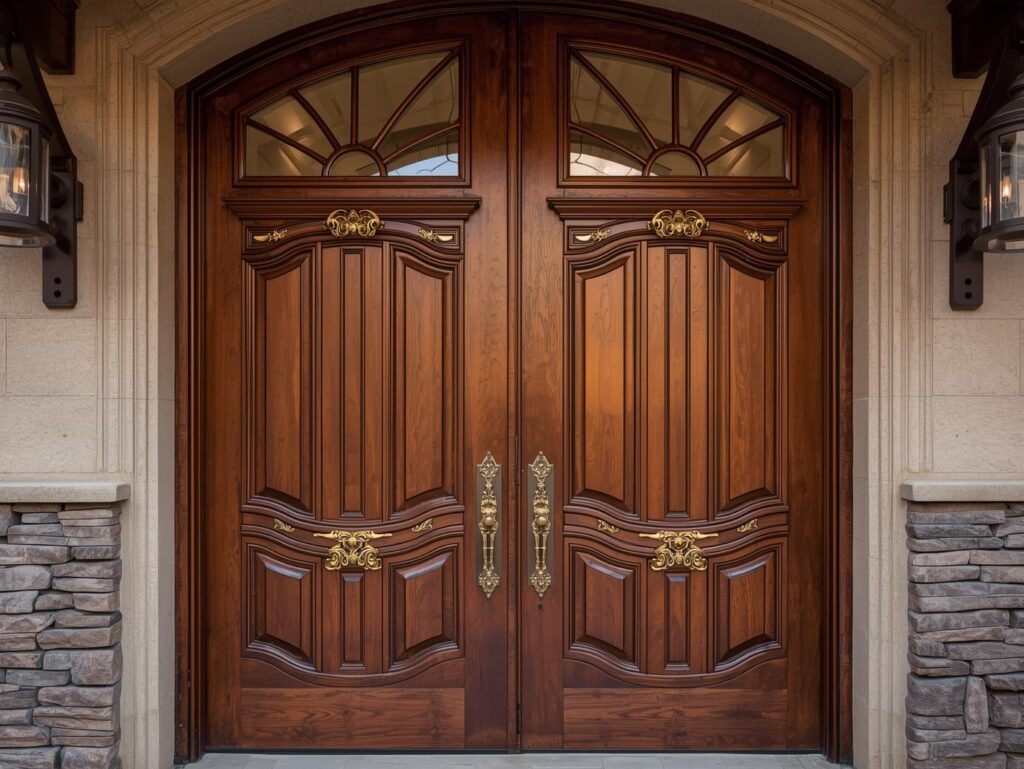
Research from leading renovation experts suggests that curb appeal can add up to 20% to a home’s total value. For many property owners, the quickest way to capture that value is through the entryway. If you have ever struggled to move a sofa through a narrow single door or felt your home lacked a certain presence from the street, you are likely looking for a change. Choosing double entry doors is one of the most impactful upgrades a homeowner or developer can make.
By the end of this guide, you will understand how to select materials, measure accurately, and secure these large openings effectively. We will cover the practical advantages of dual-door systems and the technical requirements that ensure long-term durability. If you’re an architect planning a new build or a DIY renovator updating a classic property, the right entrance sets the tone for the entire structure.
Benefits of Double Door Systems
Double entry doors offer a sense of scale that a single door simply cannot replicate. From a purely aesthetic standpoint, they create a focal point that balances the architecture of large homes or commercial spaces. But the benefits extend far beyond looks. In my experience, the functional utility of a wider opening is often the biggest selling point for growing families or active property managers.
Here is the thing: accessibility changes everything. When both panels are open, you gain a massive passageway that makes moving furniture, appliances, or large groups of people effortless.
- Enhanced natural light flow when paired with glass inserts or sidelights.
- Increased ventilation options for cooling the home during shoulder seasons.
- A dramatic increase in perceived property value for potential buyers.
- Better proportioning for wide foyers and grand entryways.
What most people miss is that double doors also provide a strategic advantage for aging-in-place renovations. The wider clearance accommodates wheelchairs and mobility aids with ease. With that foundation established, the next logical step is deciding what these doors should be made of.
Choosing the Right Material Type
The material you choose dictates how much maintenance you will perform over the next twenty years. Real estate investors often prioritize durability, while home decor enthusiasts might lean toward traditional aesthetics. We have found that each material has a specific trade-off between beauty and resilience.
Steel remains the king of security and budget. It is incredibly strong and relatively inexpensive, but it can dent if struck hard enough. Fiberglass is the modern favorite because it mimics the look of wood without the risk of warping or rotting. High-quality fiberglass units can withstand extreme temperature swings without expanding.
Bottom line? Wood is unmatched for luxury but requires a commitment to refinishing every few years.
Fiberglass: Low maintenance, high energy efficiency, and resists moisture.
Steel: Maximum security, cost-effective, but prone to surface scratches.
Solid Wood: Premium appearance, customizable doors, requires regular staining or painting.
Aluminum Clad: Combines the warmth of wood interiors with a tough metal exterior.
The weight of these materials will influence your hardware choices. A heavy solid oak pair will require more robust hinges than a hollow steel set.
Measuring for a Perfect Fit
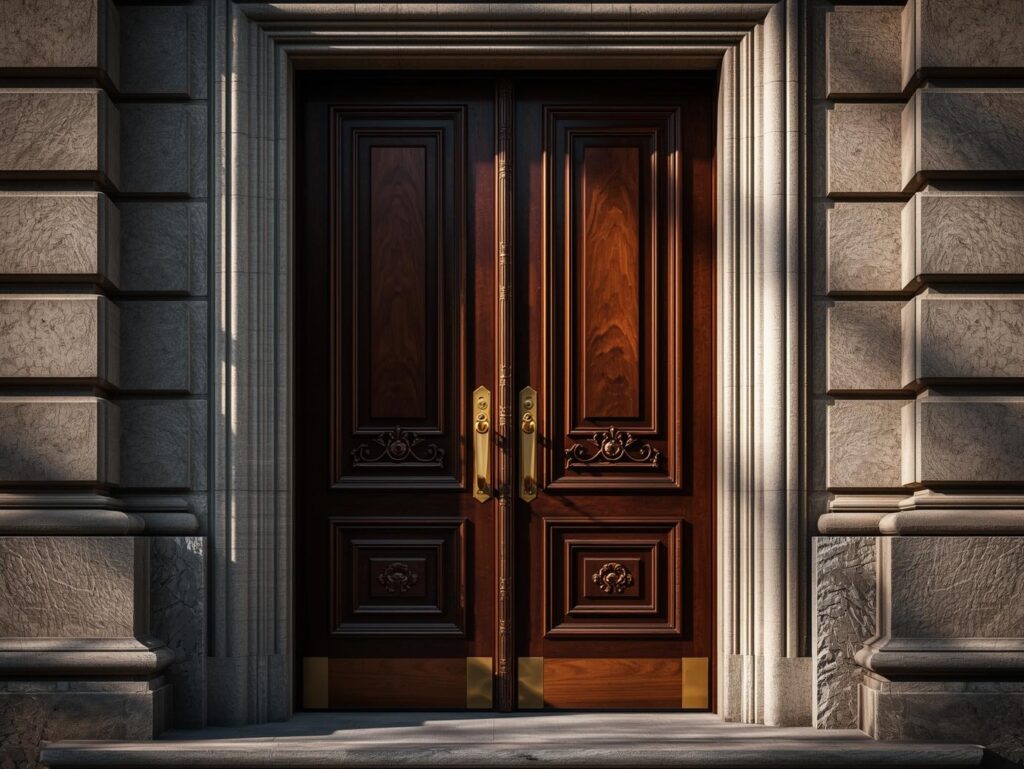
Success in door installation is 90% preparation and 10% hanging the actual slabs. If your measurements are off by even a quarter of an inch, you risk air leaks, sticking, or a door that simply won’t latch. For double entry doors, you are dealing with a much larger rough opening, which means there is more room for the framing to be out of square.
You must measure the width and height in three different places: top, middle, and bottom. Always use the smallest measurement of the three to ensure the unit fits into the hole.
For example:
Measure the width of the rough opening from stud to stud.
Measure the height from the subfloor to the header.
Check the floor for level to see if one side needs shimming.
Verify the depth of the wall studs (usually 4 or 6 inches) for the jamb size.
Now for the good news: most modern double hinged doors come as pre-hung units. This means the doors are already mounted in the frame with the hinges attached, significantly reducing the margin for error during installation.
Security and Hardware Essentials
A common concern with double doors is the perceived weakness at the center where the two doors meet. Since there is no fixed center post in many designs, the security relies on the astragal. This is the vertical strip attached to the inactive leaf that the active door locks into. To ensure your home is as secure as it is beautiful, you need high-quality hardware.
We recommend using a multi-point locking system for any double entry door. Instead of just one deadbolt in the middle, these systems latch at the top, middle, and bottom of the door frame. This provides superior resistance against forced entry and helps prevent the doors from bowing over time.
Multi-point locks: Secures the door at three distinct points.
Flush bolts: Used to lock the inactive leaf into the header and sill.
Heavy-duty hinges: At least four hinges per door for heavy materials.
Grade 1 deadbolts: The highest residential security rating available.
In other words, don’t skimp on the metal. The hardware is the only thing standing between your home and the elements.
Nash Doors & Windows delivers premium door solutions that blend advanced security features with timeless craftsmanship. From sleek fiberglass designs to classic timber styles, every option is built for durability, performance, and long-term value. Explore our collection today and discover the ideal door to enhance your property.