
Aluminum is one of the most conductive materials used in construction, which is a significant problem when you are trying to keep a building warm in the winter or cool in the summer. Standard aluminum frames act like a highway for temperature transfer, bleeding heat out of your home with frustrating efficiency. If you have ever touched a metal window frame on a cold night and felt like you were touching an ice cube, you know exactly what I mean. Modern engineering has solved this through a specific design innovation that changes everything for property developers and homeowners alike.
In this article, you will understand the mechanics of how high-performance frames operate and why they are the gold standard for luxury residential and commercial projects. Nash Doors & Windows, will walk you through the structural benefits, the energy savings, and how to pair these systems with the right glass to maximize your investment.
Look at it this way: choosing the right window frame is just as important as the insulation in your walls.
What is a Thermal Break?
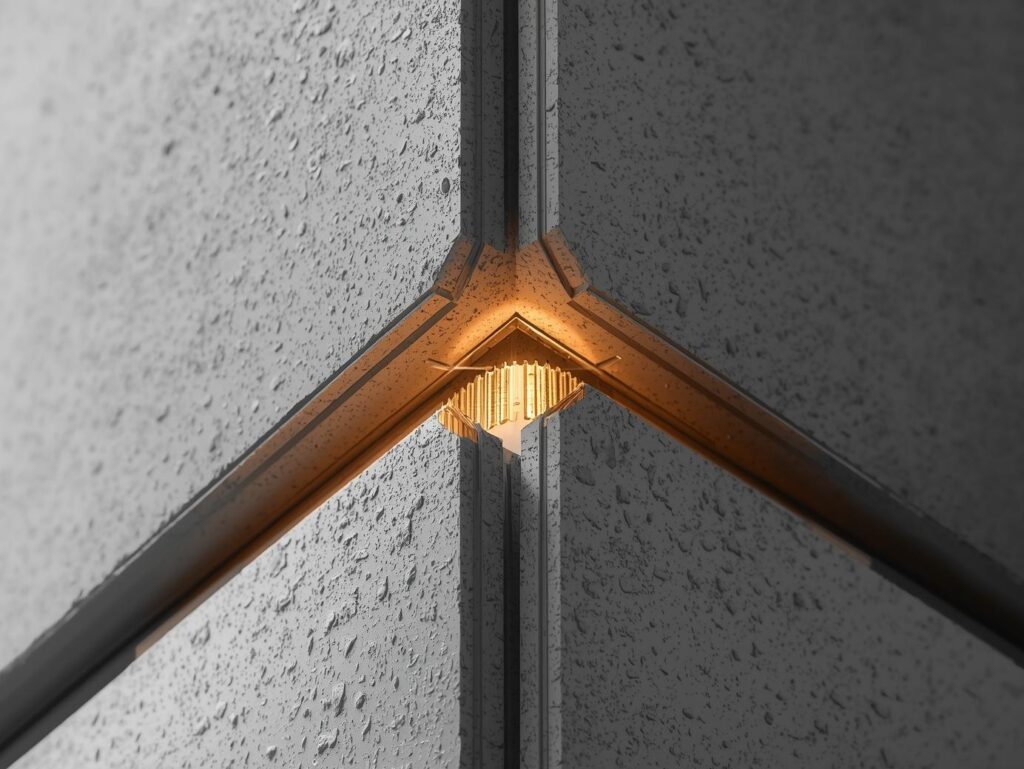
A thermal break is essentially a strategic interruption in the conductivity of a metal frame. Because aluminum is a metal, it naturally transfers heat and cold between the interior and exterior of a building. To prevent this, manufacturers insert a reinforced polyamide bar (a high-strength plastic) between the inner and outer sections of the aluminum profile. This non-conductive bridge effectively breaks the path of thermal energy, hence the name.
Many people mistake standard aluminum for thermal break aluminum windows, but the difference is night and day. Without this break, your HVAC system is constantly fighting the outdoor temperature that is radiating through your window frames. This leads to higher utility bills and a noticeable chill near the glass during winter months.
The data shows that a quality thermal break can reduce the U-value of a window frame by over 50%. This is not just a minor tweak, it is a fundamental shift in how the window handles energy. When you look at the cross-section of a Nash Doors & Windows frame, you can see this engineering at work, separating the climate-controlled interior from the harsh exterior elements.
Thermal Break Aluminum Windows Components:
- A high-strength polyamide insulating strip
- Dual-extruded aluminum profiles for inner and outer shells
- Specialized gaskets that seal the bridge against air leakage
- Multi-chambered designs that trap air for extra insulation
This leads to an important question: why does this matter for your monthly budget?
Key Energy Efficiency Benefits
The primary reason architects and eco-conscious consumers prioritize thermal break aluminum windows is the immediate impact on energy consumption. Traditional aluminum windows are notorious for causing condensation. When warm, moist indoor air hits a freezing cold metal frame, water droplets form, which can eventually lead to mold growth on your sills or drywall.
By using a thermal break, the interior surface of the aluminum frame stays much closer to the room temperature. This eliminates the dew point and prevents condensation from forming in the first place. I have seen projects where switching to thermally broken frames reduced the cooling load by 15% in summer months alone.
Bottom line? You stop paying to heat or cool the outdoors.
The efficiency of these windows is often measured by the Solar Heat Gain Coefficient (SHGC) and the U-factor. A lower U-factor means the window is better at keeping heat inside. When you combine the structural integrity of aluminum with the insulating properties of a thermal break, you get a product that rivals wood or vinyl for efficiency while maintaining a much sleeker profile.
Efficiency Advantages of Thermal Break Aluminum Windows
- Significant reduction in thermal conductibility across the frame
- Prevention of interior condensation and related moisture damage
- Lower carbon footprint due to reduced HVAC demand
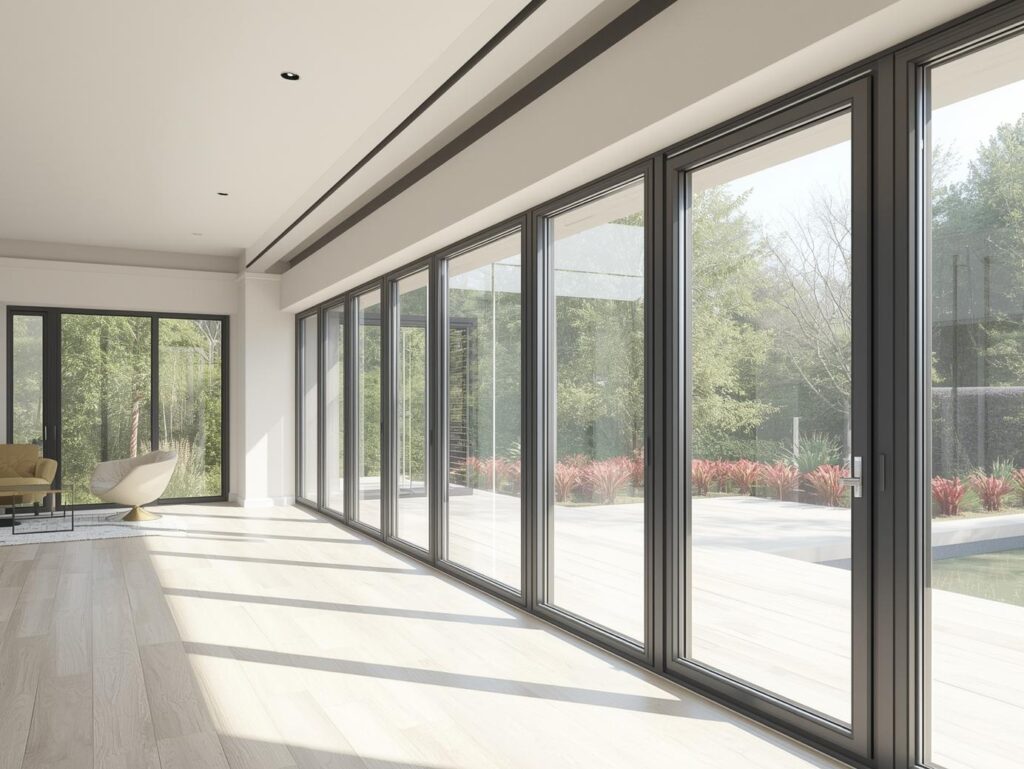
- Enhanced comfort in rooms with large floor-to-ceiling glass
Armed with that knowledge, we can look at the physical longevity of these systems.
Durability and Structural Strength
While vinyl or wood might offer good insulation, they often lack the structural rigidity required for modern architectural designs. This is where aluminum shines. It is incredibly strong, which allows for thinner frames and much larger panes of glass. This is the secret behind those expansive, panoramic views that define luxury real estate.
Developers prefer aluminum because it does not warp, rot, or swell over time. Unlike wood, which requires constant painting and sealing, or vinyl, which can become brittle under intense UV exposure, powder-coated aluminum is virtually maintenance-free. It handles the weight of heavy triple-pane glass without sagging, ensuring that your doors and windows glide smoothly for decades.
And here is the best part: the thermal break does not compromise the strength of the frame. The polyamide material used for the break is engineered to have the same thermal expansion rate as the aluminum itself. This means the frame expands and contracts as a single unit, preventing stress fractures or seal failures.
The structural benefits are clear:
- High strength-to-weight ratio for oversized window designs
- Resistance to corrosion, especially in coastal environments
- Minimal maintenance compared to organic framing materials
- Superior security due to the inherent hardness of the metal
Now let’s shift to the final piece of the performance puzzle: the glass itself.
Choosing the Right Glazing
A high-performance frame is only half the battle. To truly get the most out of thermal break aluminum windows, you must pair them with high-performance glass. If you put a single pane of standard glass into a thermally broken frame, you are still going to lose a massive amount of energy through the center of the window.
We recommend using double or even triple-pane units filled with argon gas. In California, where temperatures can vary significantly between seasons, argon is especially effective because it is denser than air and acts as an additional insulator between the panes. Furthermore, applying a Low-E (low-emissivity) coating to the glass will reflect infrared light, keeping heat inside during the winter and bouncing solar heat away during the summer.
At Nash Doors & Windows, we find that the combination of thermal break frames and Low-E glass creates a total system that meets the most stringent energy codes. This is particularly important for commercial building owners who need to meet specific LEED certifications or local green building standards.
Look for these glass features:
- Double or triple glazing with argon gas fills
- Low-E coatings to manage solar heat gain
- Laminated glass options for increased sound dampening
- Warm-edge spacers to further reduce edge-of-glass heat loss
Taking this a step further, the right glazing also protects your interior. Low-E glass blocks up to 95% of UV rays, which prevents your furniture, flooring, and artwork from fading over time.
The Smart Choice for Style and Comfort
Investing in thermal break aluminum windows in California is the most effective way to combine modern aesthetics with high-level energy performance. By breaking the path of heat transfer with a polyamide bridge, these windows solve the historical weakness of metal frames while retaining their legendary strength and durability. You no longer have to choose between beautiful, thin profiles and a comfortable, energy-efficient home.
The transformation in your living space is immediate. You will notice fewer drafts, no more “sweating” windows, and a much quieter interior environment. For property developers, these features are a major selling point that increases the long-term value of any building.
If you are ready to upgrade your property with windows that are built to perform and designed to last, Nash Doors & Windows can help. We specialize in premium aluminum systems that bring together craftsmanship and cutting-edge thermal technology. See how we can help you find the perfect fit for your next project.