
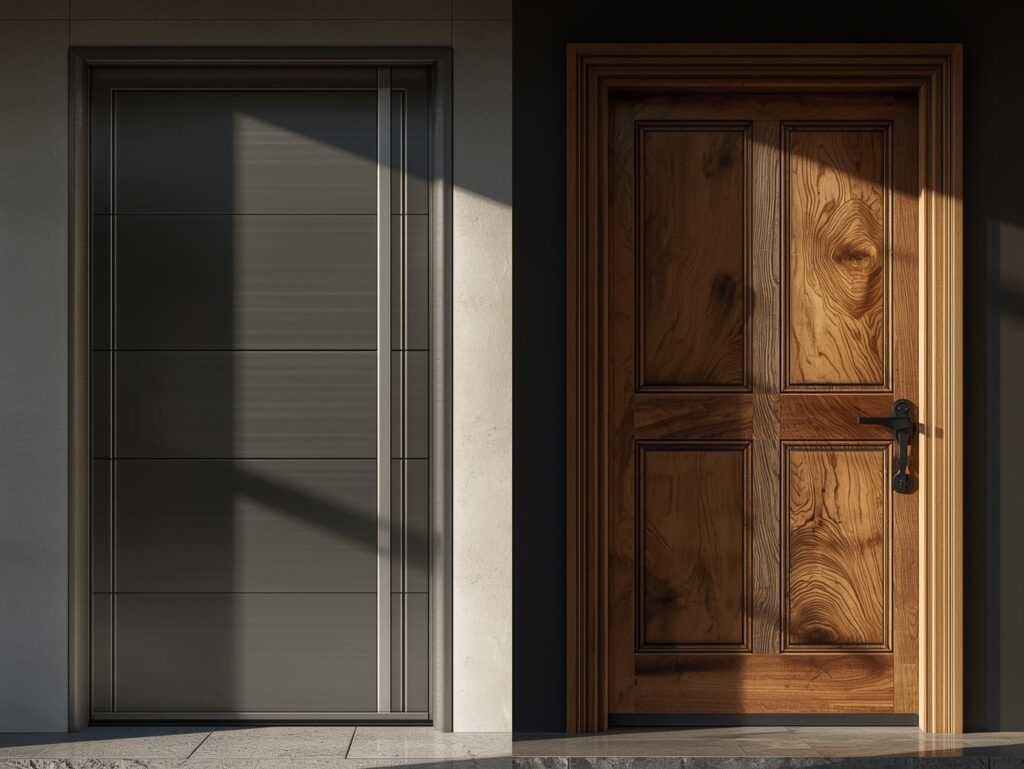
Choosing the wrong material for your property’s entryway can result in a 40% increase in long term maintenance costs over the life of the building. This is a staggering figure for any real estate investor or homeowner to digest. Selecting a door is more than just a stylistic choice; it is a structural decision that impacts security, insulation, and the overall valuation of your property.
The challenge lies in the trade-off. You want the timeless, organic warmth of timber, but you dread the potential for warping and rot. On the other hand, the sleek strength of metal is enticing, but you worry it might feel too industrial for a high-end residential project. It is a classic architectural dilemma.
By the end of this comparison, you will understand exactly which material suits your climate, your budget, and your specific design goals. We will break down the real-world performance of aluminum and wooden doors so you can specify your next project with total confidence.
Structural Durability and Longevity
The foundation of any entry door is structural integrity. In my experience, the lifespan of a door is dictated less by the material itself and more by how that material responds to environmental stress. Aluminum is a powerhouse in this category. It does not rust, it does not swell, and it is naturally resistant to UV degradation. For a property developer working in coastal regions, this is a massive advantage.
Wooden doors offer incredible structural strength, but they are living materials. They breathe. This means they expand and contract with humidity levels. If a wooden door is not properly sealed, it can bow or twist within just a few seasons. However, high-quality hardwoods like oak or mahogany can last for 60 years if they are treated with respect.
The data shows that aluminum frames have a typical service life of 40 to 50 years without any structural degradation. While wood can technically last longer, it rarely does in high-traffic commercial settings.
Here’s why that matters:
- Aluminum has a higher strength-to-weight ratio, allowing for thinner frames and larger glass spans.
- Wood provides superior impact resistance against localized dents compared to thin-gauge metal.
- Aluminum is inherently fire-resistant, which is a critical specification for multi-family residential buildings.
- Hardwood doors offer better natural sound dampening due to their density.
Next, we need to consider what happens after the installation crew leaves the site.
Maintenance and Upkeep Requirements
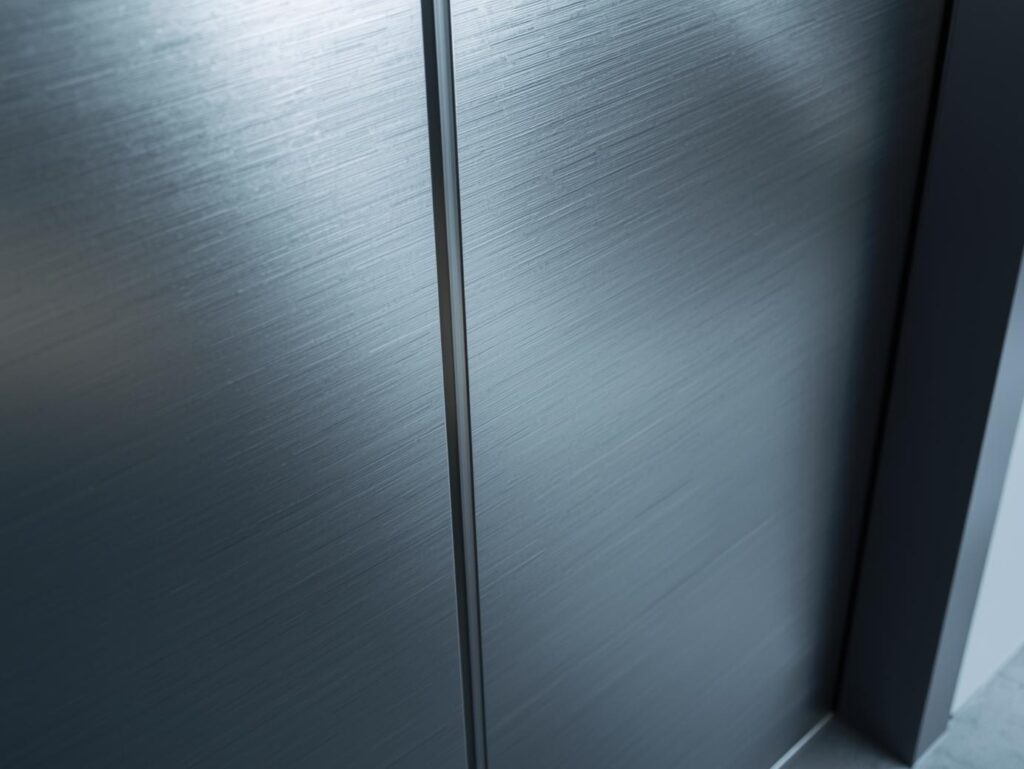
The hidden cost of any door is the labor required to keep it looking new. If you are a property manager or a busy homeowner, time is your most valuable asset. Aluminum is almost entirely “set it and forget it.” A simple wipe-down with soapy water twice a year is usually enough to maintain the powder-coated finish.
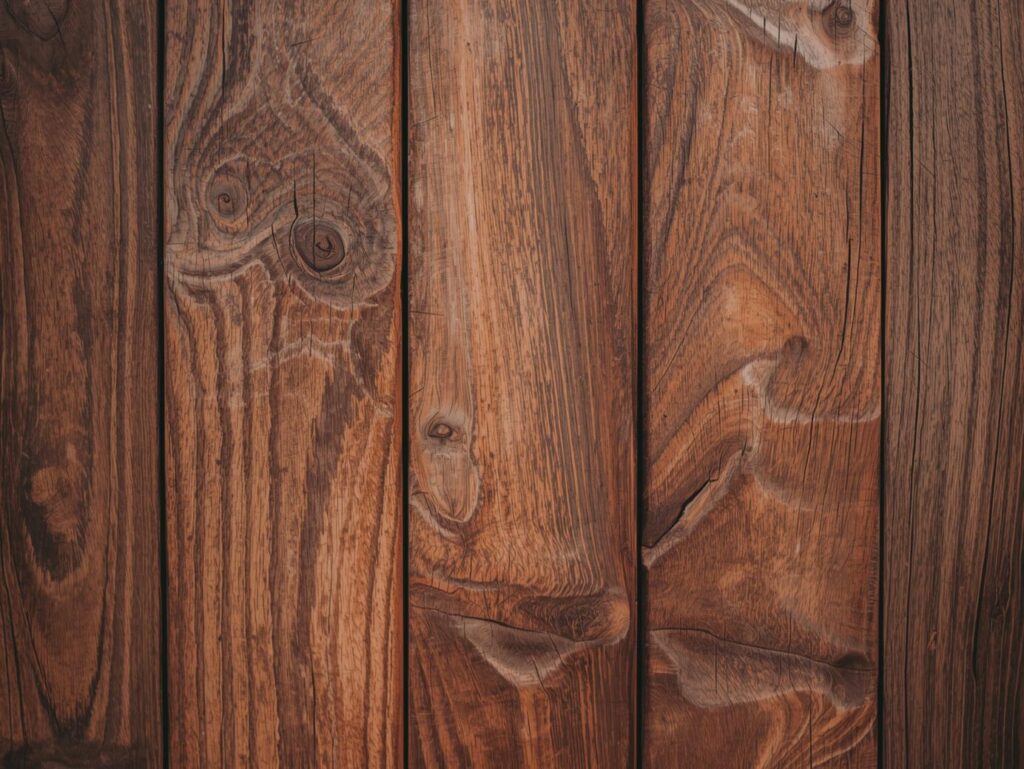
Wood is a different story entirely. I have seen beautiful, expensive oak doors grey and crack within three years because the owner neglected the topcoat. To keep wood healthy, you must sand and re-stain or re-paint it every 3 to 5 years depending on sun exposure. For a large-scale commercial property, this recurring labor cost can be a significant budget drain.
But here’s the kicker: wood is much easier to repair. If an aluminum frame gets a deep gouge, you are often looking at a full replacement. If a wooden door gets scratched, a bit of wood filler and some stain makes it look brand new.
The takeaway:
- Aluminum requires zero painting or staining over its entire lifespan.
- Wood needs regular inspections for moisture ingress and fungal growth.
- Powder-coated aluminum finishes are resistant to scratches and fading.
- Timber doors allow for easy hardware changes and color updates without replacing the unit.
Armed with that knowledge, let’s shift to the performance metrics that actually show up on your monthly utility bills.
Energy Efficiency and Insulation
There is a common misconception that metal doors are cold and drafty. While it is true that aluminum is a natural conductor of heat, modern engineering has solved this. High-end aluminum doors now feature “thermal breaks.” These are polyamide strips placed inside the frame to stop heat from jumping from the outside to the inside.
Wood is a natural insulator. It has thousands of tiny air pockets within its cellular structure that slow down thermal transfer. In a side-by-side comparison of aluminum and wooden doors, a solid core wood door will usually have a better natural R-value. However, the gap narrows significantly when you factor in the precision of the seals.
In my experience, aluminum doors often provide better airtightness over time. Because they don’t warp, the weatherstripping stays perfectly aligned with the frame. A wooden door that has shifted even 2mm can develop a draft that negates its natural insulating properties.
Here is what this means for you:
- Modern aluminum doors use multi-chambered profiles to trap air and improve U-values.
- Solid wood doors provide excellent thermal mass, keeping interiors cool in summer.
- Thermal break technology in aluminum can match the efficiency of high-end timber.
- Gaskets on aluminum frames are often more durable and easier to replace than those on wood.
Which leads to an important question: does the performance match the visual expectations of your clients or your personal style?
Aesthetic Appeal and Customization
Design is where the heart usually wins over the head. For many architects and interior designers, nothing replaces the tactile feel and grain of real wood. It adds a level of prestige and “soul” to a home that metal struggles to replicate. Wood can be carved, molded, and stained in an infinite variety of shades.
Aluminum, however, has claimed the crown for modern, minimalist designs. If your project requires floor-to-ceiling glass with the thinnest possible sightlines, aluminum is the only real choice. It can be finished in any RAL color, from matte black to metallic bronze. Some manufacturers even offer “sublimated” finishes that mimic wood grain, though I find these rarely pass the “up close” test.
The obvious question is: which option adds more value to your property? In general, high-quality timber is seen as a luxury upgrade in traditional homes, while sleek aluminum is the preferred choice for high-end contemporary builds. For more modern door design ideas, read this guide.
Consider these design factors:
- Wood offers a classic look that fits historical and period-correct renovations.
- Aluminum allows for massive “moving walls” and bifold systems that wood cannot support.
- Custom wood doors can be built to any non-standard size or arched shape.
- Aluminum finishes are consistent across dozens of units, which is vital for commercial branding.
The next piece of the puzzle is deciding which of these priorities carries the most weight for your specific situation.
Making the Final Selection
If you’re ready to upgrade your property with high-quality entry doors that combine security, durability, and modern style, Nash Doors & Windows provides expert solutions. We offer expert guidance and premium door solutions tailored to the needs of homeowners, builders, and designers. Contact us today to discover how we can elevate your next residential or commercial project.
When choosing between aluminum and timber entry doors, it’s important to balance upfront costs with long-term performance and value. For contemporary homes and modern architectural designs, aluminum doors offer exceptional strength, low maintenance, and long-lasting durability. For traditional properties seeking warmth, character, and a premium aesthetic, timber doors remain a timeless investment—though they do require ongoing care.
Ultimately, neither material is universally superior. The best entry door depends on your maintenance preferences, budget, and overall design vision. Aluminum delivers the sleek precision and resilience suited to modern construction, while timber offers classic beauty and craftsmanship that never goes out of style.